
The History of Umrah & Its Spiritual Significance
Introduction
Umrah, often called the 'lesser pilgrimage,' is a profound spiritual act deeply rooted in Islamic history. Unlike Hajj, which has specific dates, Umrah can be performed at any time of the year, offering flexibility and spiritual rewards to millions of Muslims worldwide.
Origins Traced to the Time of Prophet Ibrahim
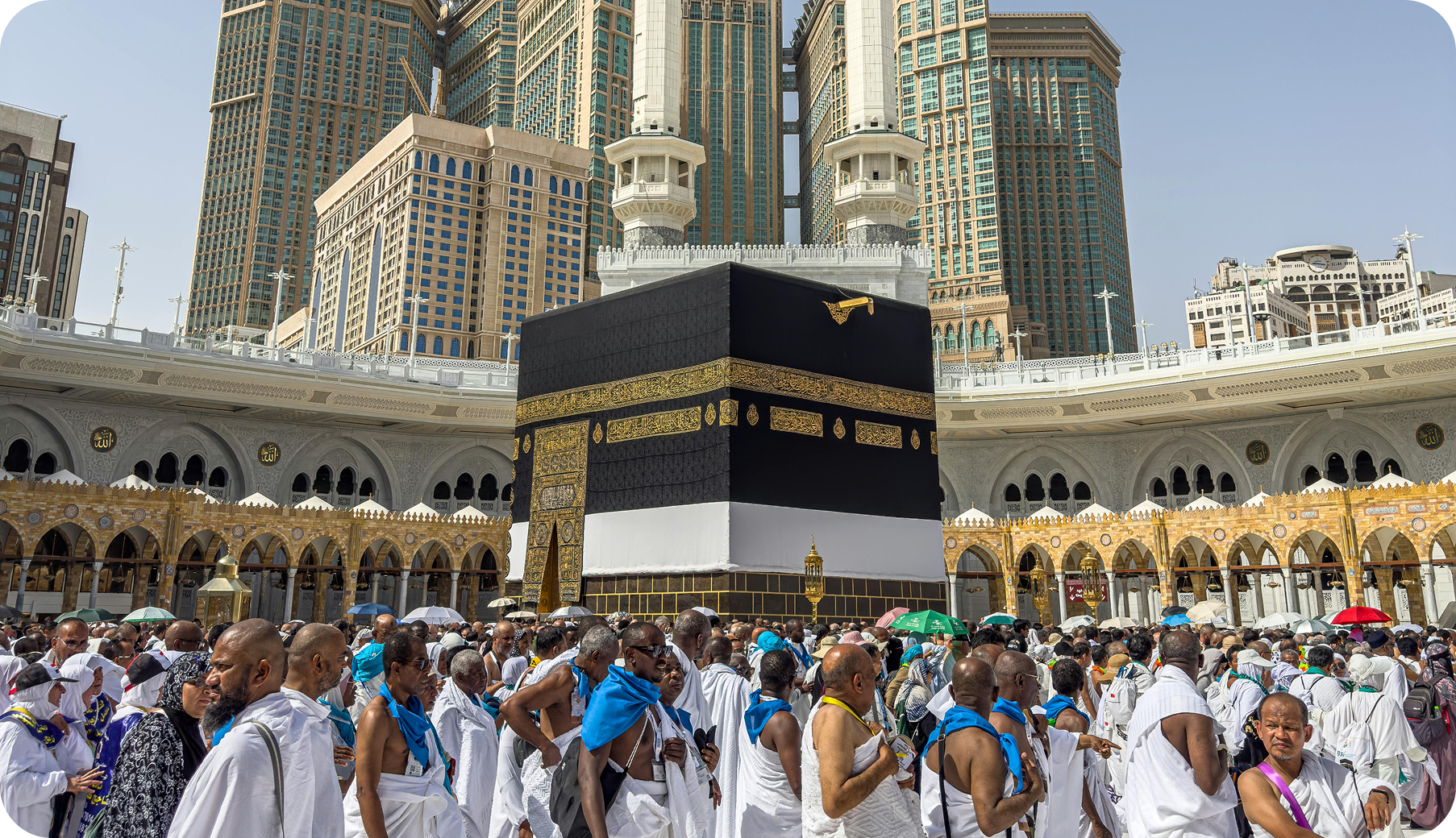
The history of Umrah dates back to Prophet Ibrahim (Abraham) and his son Ismail. The sacred rituals of Tawaf (circumambulating the Kaaba) and Sa'i (walking between Safa and Marwah) were established long before Islam was revealed to Prophet Muhammad. These rituals commemorate the faith and devotion of Hajar, the wife of Ibrahim, who ran between these two hills in search of water for her son Ismail.
Spiritual Reconnection and Inner Peace
Umrah is more than a physical journey; it is a spiritual reconnection that strips away the distractions of daily life. Pilgrims dress in simple white garments (Ihram), symbolizing equality and humility before Allah. This act of devotion helps believers find inner peace, seek forgiveness, and renew their commitment to their faith.
Global Unity Through Worship
Every year, millions of Muslims from diverse backgrounds converge in Mecca to perform Umrah, creating a powerful sense of global unity. This gathering transcends nationality, ethnicity, and social status, emphasizing that all believers are equal in the eyes of Allah. The shared experience of worship strengthens the bonds of the Muslim Ummah worldwide.
Read Also
The History of Umrah & Its Spiritual Significance
The History of Umrah & Its Spiritual Significance
The History of Umrah & Its Spiritual Significance